🚶♀️ What to Do If You Feel Followed (Without Panic)
That moment usually doesn’t arrive with drama.
It arrives quietly — as a shift in your body before your mind has built a full explanation.
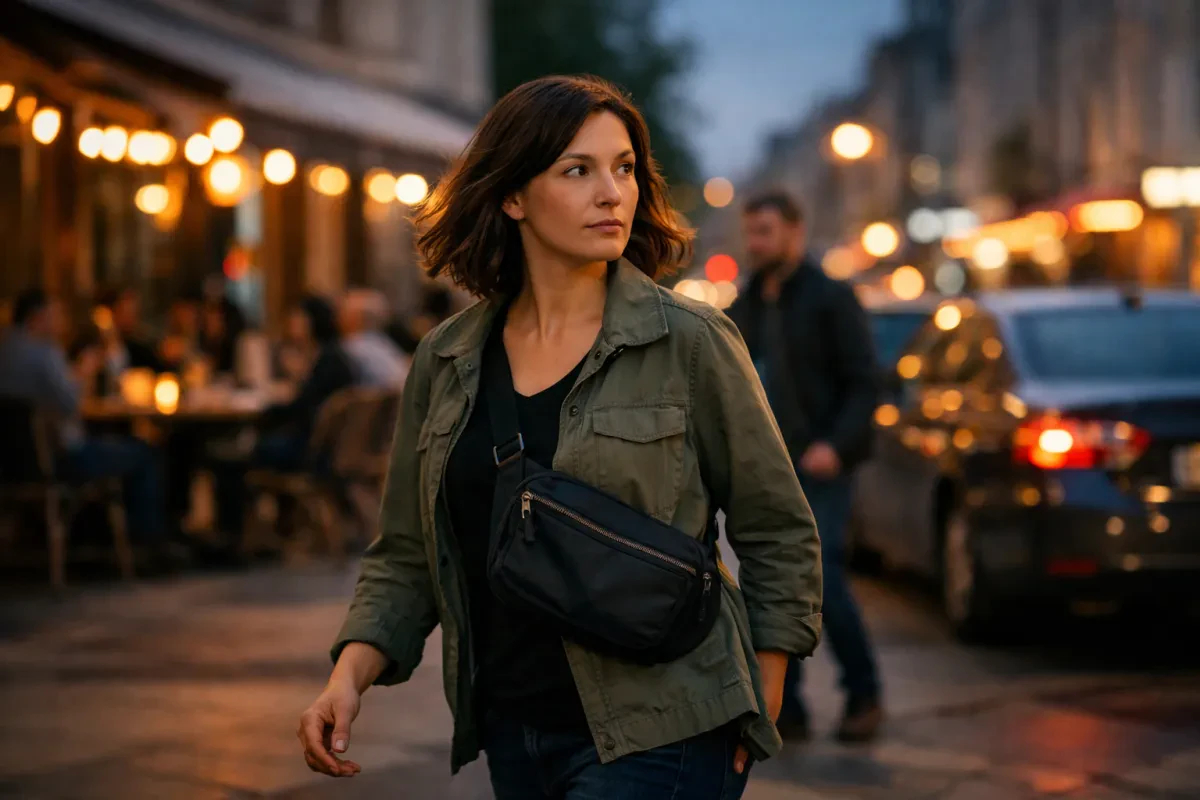
You’re walking to your car. Leaving a café. Heading down a footpath. And suddenly you notice a presence behind you… then again… then again. Nothing “proves” anything. But your nervous system registers a mismatch.
Most people don’t panic because they’re weak. They panic because they don’t have a next step.
This article gives you a calm, repeatable next step. Not to confront. Not to accuse. Just to create options while the situation is still small.
Core rule: You don’t need proof to change your positioning. You’re not saying someone is guilty. You’re saying you deserve space and clarity.
🧠 The Calm Ladder (What to Do in Order)
If you’re unsure, don’t jump to the top of the ladder. Start small and escalate only if the pattern continues.
- Orient: phone down, head up, one slow breath.
- Test: make a “wrong turn,” cross the street, or change pace.
- Move: choose light + people + staff (busy beats quiet).
- Escalate: create attention and call for help if you’re still being followed.
If you want the broader “calm preparedness” foundation that makes moments like this easier to handle, start here:
How to Prepare for Emergencies Without Panic (Calm, Simple Plan)
And if you haven’t read it yet, this pairs perfectly with the habits behind this article:
Situational Awareness Habits in Public Spaces
🚶♀️ Scenario 1: Walking Alone When Something Feels Off
Micro-Moment 1 — The transition
You step outside.
It might be leaving work, exiting a shop, stepping out of a station, or walking toward your car. Nothing dramatic happens — and that’s exactly why this moment matters.
Transitions are where awareness quietly drops.
Your body keeps moving, but your mind has already jumped ahead: dinner plans, messages, traffic, the next task waiting for you. Your shoulders soften. Your pace evens out. Your phone feels magnetically easy to reach.
Everything feels normal.
Until it doesn’t.
Micro-Moment 2 — The first interruption
The feeling arrives before the explanation.
You notice footsteps behind you — not too close, not too far. You hear them again after a turn. Maybe your pace changes slightly, and strangely, the sound stays with you.
Your shoulders tighten without asking permission.
Your brain immediately steps in to smooth it over:
- “It’s probably nothing.”
- “I don’t want to overreact.”
- “I’m just tired.”
Nothing bad has happened — which is exactly why this moment feels uncomfortable.
There’s no proof. Just uncertainty.
Micro-Moment 3 — The internal negotiation
Now the negotiation begins.
You half-listen for footsteps instead of fully noticing them. You glance over your shoulder once — quickly — hoping not to confirm anything.
Your awareness fragments.
This is the danger point — not because someone else has done something wrong, but because you’re delaying action while your body is asking for orientation.
Panic doesn’t come from threat alone.
It comes from hesitation paired with uncertainty.
Micro-Moment 4 — The awareness habit
The reset is simple:
Give yourself permission to act early — without accusation, without drama.
You’re not confronting anyone. You’re not running. You’re just choosing better positioning.
That might look like:
- Changing direction casually
- Crossing the street
- Stepping into a well-lit area
- Moving closer to other people or staff
You don’t need to justify the choice.
Once you move, your body responds almost immediately. Your breathing steadies. Your awareness widens again.
Even if nothing was wrong, the relief is real — because you acted instead of bargaining with yourself.
Micro-Moment 5 — Reclaiming calm
Most people don’t regret moving early.
They regret waiting.
Not “I should have been braver.”
More often:
“I knew something felt off earlier… but I didn’t trust myself until it was obvious.”
Situational awareness isn’t about being right.
It’s about staying connected to yourself while you still have options.
Micro-Moment 6 — Emotional aftermath
Once you’ve repositioned, your nervous system settles.
Your shoulders drop.
Your pace evens out.
Your attention comes back online.
Nothing dramatic needed to happen for this to be a success.
The moment stayed small — and that’s the win.
✅ What “enough” looks like here
- You trust early discomfort without demanding proof
- You adjust position calmly and casually
- You choose light, people, or staff over isolation
- You feel relief after acting — not embarrassment
You didn’t escalate.
You didn’t accuse.
You stayed oriented.
That’s situational awareness done right.
The one product that earns its place here: a discreet personal safety alarm.
Not because you expect to use it — but because it gives you a simple, proportional option if the moment escalates. No confrontation. No force. Just an immediate way to create attention and space.
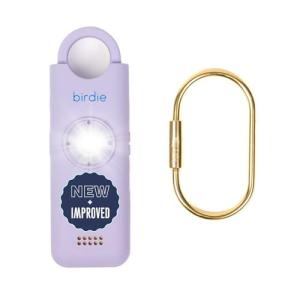
She’s Birdie 3.0 Personal Safety Alarm
A simple, discreet way to create attention and space when something feels off
Product information
$29.95
Product Review Score
4.48 out of 5 stars
33 reviewsProduct links
🚶 Scenario 2: Someone Matching Your Pace or Direction
Micro-Moment 1 — The pattern begins
At first, nothing feels wrong.
You’re walking — along a street, through a station, across a car park, or toward a destination — and someone is behind you. That’s normal. Public spaces are full of people moving in the same direction.
You slow slightly to check your phone.
The spacing stays the same.
You speed up a fraction.
The spacing still stays the same.
Your body notices before your mind assigns meaning.
Micro-Moment 2 — The subtle test
Almost without thinking, you test the situation.
You change pace again.
You drift slightly to one side of the footpath.
You adjust your line or position.
And again — the spacing doesn’t change.
This is where a quiet internal shift happens.
Not panic. Not fear.
Just the sense that your movement is no longer entirely yours.
Micro-Moment 3 — The internal freeze
This is the moment many people get stuck.
Your mind rushes in with explanations:
- “Maybe they’re just going the same way.”
- “I don’t want to be dramatic.”
- “What if I’m wrong?”
- “I don’t want to offend someone.”
So you keep walking.
But something important changes.
You stop choosing your movement and start enduring it.
Your breathing shifts. Your awareness narrows. Your attention turns inward instead of outward.
This is where panic begins — not because of danger, but because indecision steals your sense of agency.
Micro-Moment 4 — The awareness habit
The habit that breaks this pattern is simple:
Interrupt the movement on your terms.
Not confrontation. Not speed.
Clarity.
That might look like:
- Turning a corner you didn’t plan to take
- Crossing the street deliberately
- Entering a shop, café, or staffed area
- Stopping briefly and letting them pass (only if it feels safe)
The goal isn’t escape.
The goal is information.
When you change the pattern, one of two things happens:
- They continue on — and the tension dissolves
- They adjust to stay with you — and clarity arrives
Either way, uncertainty collapses.
Micro-Moment 5 — Regaining agency
Once the pattern is broken, your body catches up almost immediately.
Your shoulders drop.
Your breathing steadies.
Your awareness widens again.
Even if nothing escalates, you feel grounded — because you acted while options were still available.
Situational awareness isn’t about being right.
It’s about staying connected to yourself while you still have room to move.
Micro-Moment 6 — Emotional aftermath
People often replay these moments later and think:
“I knew earlier… I just didn’t want to believe it.”
Not because something terrible happened — but because waiting felt worse than acting.
Hesitation fuels anxiety.
Early movement restores calm.
✅ What “enough” looks like here
- You notice repeated patterns without instantly judging them
- You interrupt movement flow calmly and deliberately
- You choose light, people, or staff over isolation
- You regain calm after moving — regardless of outcome
You didn’t confront.
You didn’t escalate.
You reclaimed agency through movement.
That’s situational awareness in motion.
The one product that earns its place here: a front-worn cross-body / sling bag.
This isn’t about looking tough. It’s about reducing friction. When your essentials are secured in one front-worn spot, you stop the pocket-check spiral, you stop placing bags behind you, and you can move quickly without fumbling.
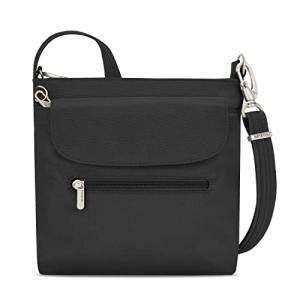
Travelon Anti-Theft Classic Mini Shoulder Bag (Everyday Calm Carry)
A small, organised crossbody that reduces public-space friction—so you stay present, not distracted.
Product information
$38.02 $32.82
Product Review Score
4.44 out of 5 stars
51 reviewsProduct links
🧍 Scenario 3: Someone Approaches You for Help — and It Doesn’t Feel Right
Micro-Moment 1 — The approach
It starts politely.
Someone approaches you in a public space — a street, a station, a car park, outside a shop. Their tone is calm. Their words are reasonable.
“Sorry, can you help me for a second?”
“Hey, do you know where…?”
“Excuse me, I just need to ask you something.”
Nothing about the request is aggressive. Nothing about their appearance screams danger. In fact, that’s what makes the moment difficult.
You pause.
Your body stays still while your mind tries to catch up.
Micro-Moment 2 — The internal mismatch
As they speak, something subtle happens inside you.
- Their story doesn’t quite land.
- Their positioning feels a little too close.
- They keep adjusting their stance to stay in front of you.
- They’re talking — but your attention is on movement, not words.
Your body notices before your brain does.
This creates a quiet internal conflict:
“They haven’t done anything wrong… but I don’t feel comfortable.”
And because the situation looks socially normal, your instincts don’t feel “allowed” to speak yet.
Micro-Moment 3 — The social pressure trap
This is where many people get stuck.
- You don’t want to be rude.
- You don’t want to misjudge someone.
- You don’t want to overreact to a feeling you can’t explain.
So you stay.
You listen longer than you want to.
You answer questions you don’t need to answer.
You allow your personal space to shrink.
Your awareness narrows — not because you’re weak, but because social pressure is powerful.
Panic doesn’t enter loudly here.
It builds quietly through compliance.
Micro-Moment 4 — The awareness habit
The habit that changes this moment is simple:
You prioritise positioning over politeness.
You don’t need to accuse.
You don’t need to explain your discomfort.
You don’t need to justify leaving.
You create space.
That might look like:
- Taking a step back while responding
- Shifting to the side instead of standing square-on
- Angling your body toward light, people, or an exit
- Ending the interaction early with a neutral response
“I’m not sure, sorry.”
“I can’t help right now.”
“I need to get going.”
Clear. Calm. Done.
You’re not rejecting them as a person.
You’re choosing your own safety and clarity.
Micro-Moment 5 — Reclaiming clarity
Once you move away, your body recalibrates almost immediately.
Breathing slows.
Your awareness widens.
Your internal tension releases.
That response tells you something important:
You didn’t imagine the discomfort — you resolved it.
Even if the person meant no harm, your decision was still valid.
Situational awareness isn’t about guessing intentions.
It’s about responding to how the interaction affects you.
Micro-Moment 6 — Emotional aftermath
People often replay these moments later and think:
“Why did that feel so hard to exit?”
The answer is simple:
We’re trained to value politeness over positioning.
But awareness asks a different question:
“Do I feel free to move right now?”
If the answer is no, it’s time to change the situation — calmly, early, without apology.
✅ What “enough” looks like here
- You notice discomfort without needing proof
- You keep physical space while responding
- You prioritise exits, light, and people
- You end the interaction early if needed
- You feel relief after leaving — not guilt
You didn’t escalate.
You didn’t accuse.
You simply stayed in control of your positioning.
That’s situational awareness with boundaries.
The one product that earns its place here: a small, simple, pocketable flashlight.
Not a feature-heavy “tactical” torch. Just a reliable light you can activate instantly. Light restores orientation, changes posture, reduces ambiguity, and gives your brain certainty — and certainty reduces panic.
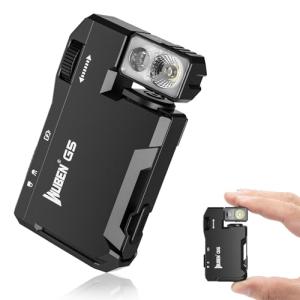
WUBEN G5 Rechargeable EDC Flashlight
A compact everyday light designed to restore clarity and awareness when visibility drops.
Product information
$26.65 $19.99
Product Review Score
4.45 out of 5 stars
172 reviewsProduct links
🧘 Calm Confidence (Not Certainty)
The goal isn’t to prove you were right.
The goal is to stay calm enough to choose your next step early — while you still have options.
Feeling followed is often an uncertainty moment. And uncertainty is where good habits matter most.
Final thought: You don’t need intensity. You need orientation. And you’re allowed to move early — without apology.
🔗 Extra guidance (optional, calm, public-safety aligned)
If you want additional situational awareness and personal safety guidance from a US police/community safety page, here’s a solid resource:
And for practical “being followed” tips, this is a clear, non-sensational guide:
❓ Frequently asked questions
How do I know if I’m actually being followed?
You don’t need certainty. Use a simple test: change direction or cross the street. If the pattern keeps matching your movement repeatedly, treat it as real and move toward light, people, and staff.
Should I confront the person?
No. Your goal is space and options — not confrontation. Change positioning, choose visibility, and escalate to calling for help if the pattern continues.
Is it “rude” to act on a gut feeling?
No. You’re not accusing anyone. You’re choosing your own positioning and comfort — and that’s always allowed.
What’s the fastest way to stop panic from rising?
Phone down, one slow breath, choose a “safe node” (light/people/staff) and move toward it. Action creates clarity, and clarity reduces panic.
Why do simple tools help so much?
Because they reduce uncertainty. When you have a clean option (alarm/light/secure carry), you act earlier — and earlier action stays calm.