🧠 How to Prepare for Emergencies Without Panic
Most people don’t avoid preparing for emergencies because they’re careless or irresponsible. They avoid it because the subject feels heavy. It forces you to imagine moments where life doesn’t cooperate — where routines break, plans fall apart, and you’re suddenly expected to stay calm when you don’t feel calm at all.
For many people, the word emergency instantly triggers extreme imagery: chaos, fear, panic buying, people reacting badly under pressure. That mental picture alone is enough to make preparation feel overwhelming, dramatic, or something best postponed until later.
But real preparedness doesn’t look like that.
Real preparedness is quiet. It doesn’t announce itself. It often looks like nothing happening — because the situation never escalates in the first place. It shows up as steadiness. As fewer decisions. As a calmer emotional temperature when things don’t go to plan.
⚡ Why panic shows up so fast
Panic isn’t caused by danger itself. It’s caused by uncertainty under pressure.
When something unexpected happens, the brain immediately searches for the next step. If it can’t find one, stress rushes in to fill the gap. Thoughts speed up. Small decisions feel urgent. Emotions rise faster than the situation warrants.
Preparedness works because it removes that gap.
You’re not trying to control emergencies. You’re trying to control how much thinking you’re forced to do when your emotional bandwidth is already stretched thin.
✅ The real goal: fewer decisions, less guessing, and more space to respond instead of react.
🌩️ Scenario 1: A power outage that lasts longer than expected
Micro-moment 1 — The interruption
It’s early evening. Dinner is either just finished or halfway done — one of those ordinary moments where nothing feels fragile. The house is moving. Someone’s in the kitchen. Someone else is half-focused on a screen. The rhythm is familiar enough that you’re not consciously aware of it.
Then the lights go out.
Not a flicker. Not a warning. Just darkness.
For a second, nobody reacts. There’s a pause while everyone waits for the lights to come back on. Then someone says it out loud:
“Did the power just go out?”
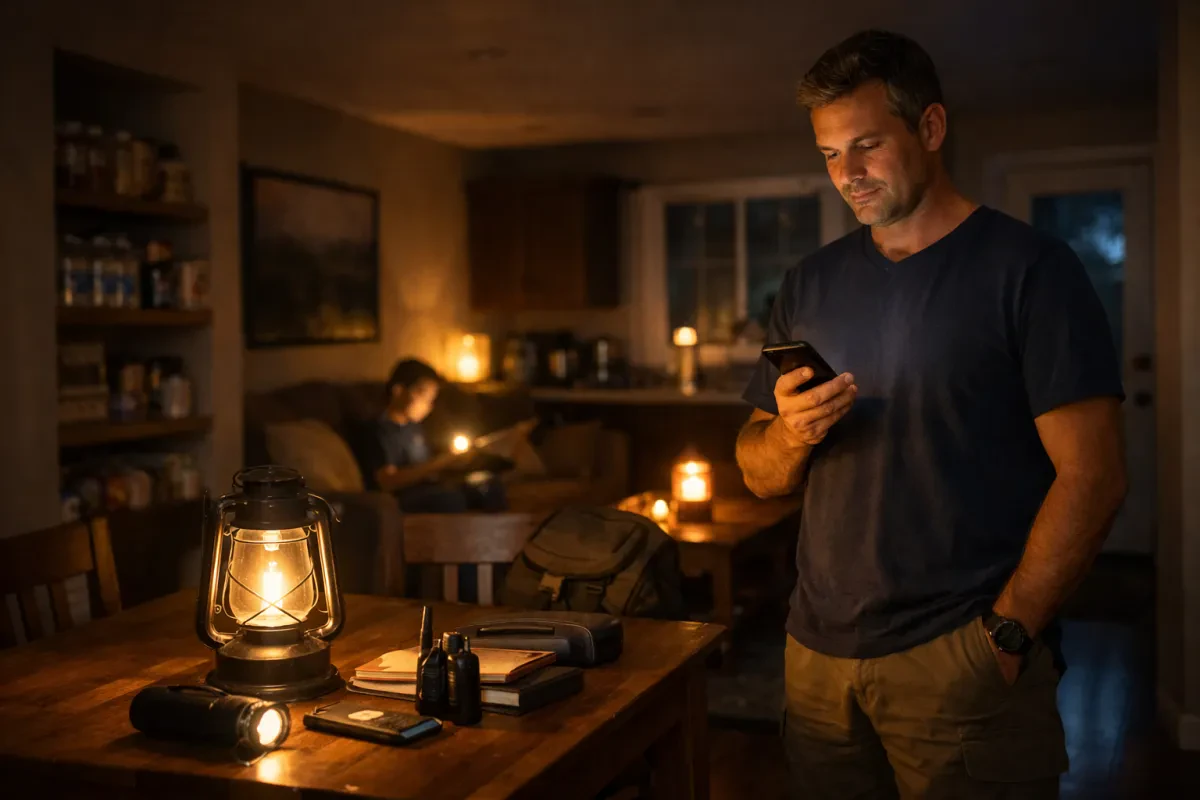
You reach for your phone automatically. Signal is still there. Battery is already lower than you’d like, but not critical. You glance outside and notice the streetlights are out too. That detail matters. It confirms this isn’t just your house.
There isn’t panic yet — but there is tension. A quiet alertness, waiting to see how this unfolds.
Micro-moment 2 — The wobble
Twenty minutes pass. Then forty. Then an hour.
The novelty wears off. The house feels different. Sounds are sharper. Movement slows. Dinner cleanup feels awkward in low light. Kids start getting restless or uneasy. Adults feel a low-grade irritation they can’t quite name.
Questions loop back, heavier this time.
- How long do outages usually last?
- Should we be conserving phone battery more aggressively?
- What if this goes overnight?
This is where panic often creeps in — not because conditions are dangerous, but because decision fatigue sets in. People second-guess earlier choices. Small inconveniences feel bigger than they should.
Preparedness changes this moment completely.
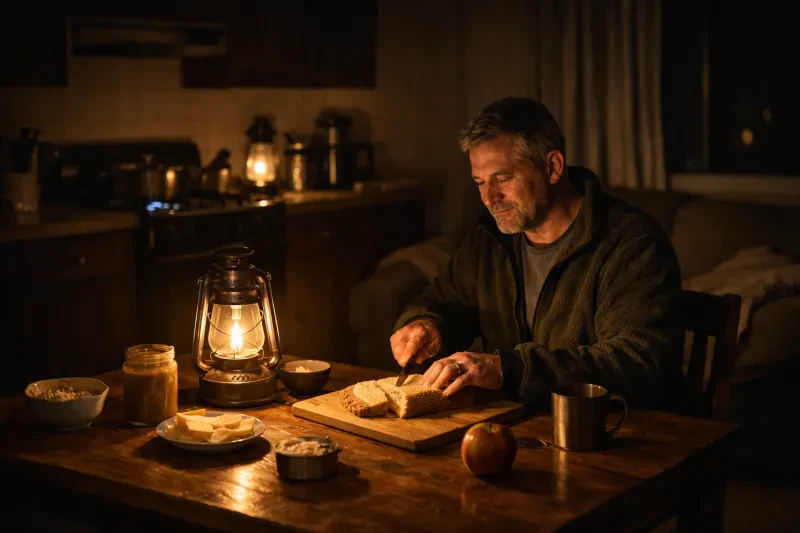
When lighting is already sorted, when everyone knows where it lives, when there’s a shared understanding of what matters and what doesn’t, the wobble never fully takes hold. The house doesn’t feel out of control — it just feels inconvenienced.
Micro-moment 3 — The longer stretch
Now imagine the power doesn’t come back on that night.
Morning arrives quietly. The house feels slightly disoriented, but not panicked. This is where preparedness shows up most clearly — not in equipment, but in mood.
In unprepared households, tension often turns into frustration. People are tired. Food decisions feel stressful. Minor annoyances stack up until they feel overwhelming.
In prepared households, there’s still inconvenience — but far less emotional drag. Expectations were set early. Decisions were already made. Nobody is scrambling.
Micro-moment 4 — Aftermath reflection
When the power finally comes back on, there’s relief. Often followed by a quiet thought:
“We should probably be better prepared next time.”
Preparedness doesn’t eliminate that thought. It makes sure it doesn’t come with regret.
✅ What “enough” looks like for outages
- You know how you’ll light your space
- You know how you’ll manage phone power
- You know roughly how long food stays safe
- You know what you’ll do if it lasts overnight
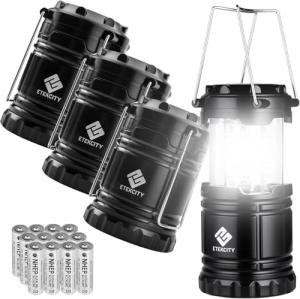
Etekcity Emergency LED Lanterns (4 Pack) – Reliable Lighting for Power Outages
Simple, battery-powered lanterns designed to keep your home calm, lit, and functional during blackouts
Product information
$26.86
Product Review Score
4.38 out of 5 stars
68 reviewsProduct links
🚗 Scenario 2: A roadside breakdown at night
Micro-moment 1 — The interruption
It’s late enough that the road feels thinner than usual. Not empty, but not comforting either. Headlights pass occasionally, then disappear again into the dark. You’re already a little tired, already thinking about getting home, when the car starts behaving strangely.
At first it’s subtle. A hesitation. A sound that doesn’t belong. Then the engine loses power completely.
You manage to guide the car onto the shoulder. Hazard lights click on, cutting a sharp rhythm through the darkness.
The moment they do, your body reacts before your thoughts catch up. Heart rate rises. Muscles tighten. Awareness sharpens. You sit there for a second with both hands still on the wheel, listening.
Am I visible enough right now?
Is this a safe place to stop?
What do I do first?
Nothing terrible has happened — but your nervous system doesn’t know that yet. At night, uncertainty carries more weight.
Micro-moment 2 — The wobble
Ten minutes pass. Then another ten.
Cars go by. Some slow slightly as they pass. Most don’t. Every approaching engine sounds closer than it really is. You check your phone again, even though you already checked it moments ago.
This is where the wobble starts.
Thoughts begin looping instead of progressing. You replay how the car felt just before it stopped. You wonder whether you should have pulled over earlier. You imagine worst-case scenarios, not because they’re likely, but because your brain is searching for certainty and can’t find it.
People often make poor decisions in this window — not out of fear, but out of discomfort. Pacing beside the car. Leaving the vehicle when staying put would be safer. Making rushed calls without clear information. Letting imagination do more work than reality.
Preparedness changes the emotional tone of this moment.
When you already know who to contact, when you already understand what staying visible looks like, waiting stops feeling like vulnerability and starts feeling procedural. You’re still alert — but you’re not spiralling.
Micro-moment 3 — The longer stretch
If help doesn’t arrive quickly, the night starts to feel longer.
Cold or heat becomes more noticeable. Your posture stiffens. Fatigue creeps in quietly. You start checking the time more often, not because it helps, but because you want movement — some sign that things are progressing.
This is where panic often tries again.
What if this takes hours?
What if my phone battery drops too low?
What if someone stops who shouldn’t?
Prepared people don’t become fearless in this stretch — but they remain anchored. They don’t let waiting turn into suffering. They don’t escalate the situation emotionally just because it’s uncomfortable.
The breakdown hasn’t changed. The road hasn’t changed. What’s changed is how much mental energy you’re burning.
Preparedness preserves that energy.
Micro-moment 4 — Aftermath reflection
When help finally arrives, the relief is physical. Your shoulders drop. Your breathing slows. The night suddenly feels less heavy.
Often, there’s a quiet thought that follows — not dramatic, just honest:
“That could have felt a lot worse.”
Preparedness didn’t prevent the breakdown. It didn’t make the night pleasant. But it stopped the situation from turning into something bigger than it needed to be.
✅ What “enough” looks like for breakdowns
- You know who to contact without searching
- You understand how to stay visible and safe
- You can manage waiting without panic
- You don’t let imagination take over reality
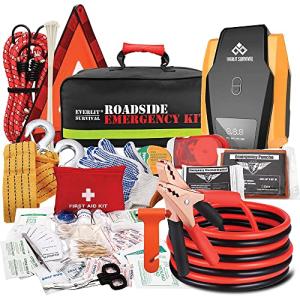
Everlit Survival Car Emergency Kit
A calm, all-in-one roadside kit designed to help you handle breakdowns, flat tires, and unexpected stops with confidence.
Product information
$79.95
$69.95
Product Review Score
4.98 out of 5 stars
21 reviews
Product links
Everlit Survival Car Emergency Kit
A calm, all-in-one roadside kit designed to help you handle breakdowns, flat tires, and unexpected stops with confidence.
Product information
$79.95 $69.95
Product Review Score
4.98 out of 5 stars
21 reviewsProduct links
❤️ Scenario 3: A family or medical emergency
Micro-moment 1 — The moment
It starts with a phone call, a knock at the door, or a sudden change in someone’s condition. The details don’t matter — what matters is the shift.
Your attention narrows instantly.
Everything else fades into the background as your body reacts before your thoughts can organise themselves. Heart rate rises. Breathing changes. The room feels smaller somehow.
Someone you care about needs help.
In this moment, panic doesn’t announce itself loudly. It slips in quietly, disguised as urgency. The desire to do something, anything becomes overwhelming, even if you’re not yet sure what that something should be.
This is where people often feel the ground move beneath them — not because the situation is hopeless, but because emotions surge faster than clarity.
Micro-moment 2 — The wobble
Once the initial shock passes, the wobble begins.
You’re trying to think logically while emotions are still running the show. Simple tasks suddenly feel harder than they should. Finding information. Remembering details. Locating items you know you have somewhere.
Your mind jumps ahead to possible outcomes. Then back to the present. Then forward again. Each jump costs energy.
This is where panic grows legs.
Not because people don’t care — but because they care so much that everything feels equally urgent. Time feels compressed. Decisions feel heavier. You might find yourself repeating actions or checking the same thing twice, unsure whether you’ve already done it.
Preparedness doesn’t remove emotion from this moment. That would be unrealistic.
What it removes is friction.
When information is already organised, when essentials are already accessible, when some decisions were made long before this moment arrived, your emotional energy doesn’t have to fight logistics at the same time.
That separation matters more than people realise.
Micro-moment 3 — The longer window
If the situation extends beyond the initial hour — waiting for updates, sitting in unfamiliar spaces, managing uncertainty — the emotional toll becomes cumulative.
Fatigue sets in quietly. Adrenaline fades, leaving you mentally drained. Small inconveniences feel sharper. Waiting feels heavier.
This is where unprepared people often burn out emotionally. They’re not just worried — they’re exhausted from constantly trying to hold everything together.
Preparedness changes the texture of this stretch.
When you’re not searching for information, when you’re not scrambling for basics, when you’re not mentally juggling avoidable decisions, you conserve energy for what actually matters: being present.
Presence is the most valuable thing you can offer in a family or medical emergency. And it’s the first thing panic steals.
Preparedness protects it.
Micro-moment 4 — Aftermath reflection
When the situation stabilises — whether quickly or slowly — people often look back on these moments with surprising clarity.
They rarely remember what brand of anything they used. They rarely remember small inconveniences. What stands out is how it felt.
Was the experience chaotic and overwhelming?
Or was it intense, but manageable?
Preparedness doesn’t guarantee good outcomes. But it dramatically influences how people experience hard moments — and how much emotional residue they carry afterward.
That difference lingers.
✅ What “enough” looks like for family/medical moments
- Important information is easy to access
- Essentials are already organised
- You’re not searching or scrambling while emotional
- You can focus on people instead of processes
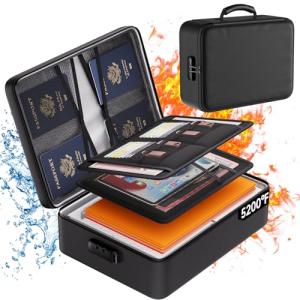
DocSafe 5200°F Fireproof Document Organizer with Lock
A calm, grab-and-go document organizer that keeps critical information protected, organised, and ready when emotions are running high.
Product information
$35.98
Product Review Score
4.83 out of 5 stars
138 reviews
Product links
DocSafe 5200°F Fireproof Document Organizer with Lock
A calm, grab-and-go document organizer that keeps critical information protected, organised, and ready when emotions are running high.
Product information
$35.98
Product Review Score
4.83 out of 5 stars
138 reviewsProduct links
🧘 Why preparedness reduces anxiety
Anxiety feeds on unknowns. Preparedness removes them.
You don’t need certainty about the future — only clarity about your next step. When that next step is already known, panic has nothing to grab onto.
Prepared people don’t feel fearless. They feel grounded.
🛡️ Preparedness is responsibility, not fear
Preparedness isn’t about expecting the worst. It’s about respecting reality.
Like wearing a seatbelt or locking your door, it’s a precaution — not a prediction. A quiet form of responsibility for yourself and for the people who rely on you.
❓ Frequently asked questions
Is emergency preparedness only for extreme situations?
No. Most preparedness focuses on everyday disruptions.
How much preparation is enough?
Enough is when stress drops and confidence rises.
Can preparedness actually reduce anxiety?
Yes. Reducing uncertainty directly reduces anxiety.
Do I need special equipment?
Often no. Awareness, planning, and basic supplies cover most situations.
How do I avoid panic during emergencies?
By reducing unknowns before they happen.
Final thought: Preparedness doesn’t need to be perfect. It just needs to be enough to keep you calm when something unexpected happens.