🚗 What to Do If Someone Tries Your Car Door in a Parking Lot
It’s rarely dramatic.
It’s usually a small, almost ridiculous moment — the kind your brain tries to explain away before your body has even finished reacting.
You’re loading groceries. You’re buckling a kid in. You’re sliding into the driver’s seat, keys in hand, mind already on the next task. Parking lots do that to you — they split your attention into thin slices: hands full, head down, moving through a space that feels public and private at the same time.
And then it happens.
A door handle lifts.
A lock clicks.
Your stomach drops a fraction. Your shoulders tighten. Time slows just enough for a single thought to appear:
“Was that… my door?”
This article is not about living in fear. It’s about removing the hesitation that makes moments like this feel bigger than they need to be.
Because panic doesn’t come from “danger” alone.
It comes from a very specific mix:
- Uncertainty (you’re not sure what’s happening)
- Social pressure (you don’t want to overreact or offend)
- Friction (you don’t have a next step)
Preparedness, in the JICG sense, is simple:
Reduced friction, not increased fear.
When you have a calm, repeatable response, your nervous system settles faster — and the moment stays small.
Core rule: You don’t need proof to change your positioning. You’re not accusing anyone. You’re choosing space, visibility, and control.
Most people get stuck here because the mind starts negotiating.
It offers explanations to avoid action:
- “Maybe they hit the wrong car.”
- “Maybe it was a prank.”
- “Maybe I’m imagining it.”
- “If I react, I’ll look stupid.”
But the goal isn’t to be “right.”
The goal is to respond early — while the situation is still unclear and still manageable — because early action is what keeps you calm.
🧠 The Parking Lot Calm Ladder (What to Do in Order)
In the moment, you don’t rise to the occasion — you fall to the level of your simplest habit. So we make the habit simple.
- Confirm: lock the doors (don’t assume), take one breath, orient.
- Create space: step back, reposition, or roll forward slightly if you’re inside the car.
- Choose visibility: light, people, staff, and foot traffic beat isolation.
- Escalate proportionally: attention (voice / alarm), then help (call), only if the behaviour persists.
You’ll see this ladder repeated inside each scenario so you don’t have to “think” under pressure — you just recognise the step you’re on.
If you haven’t read the two articles that make this one dramatically easier to handle, start with these first (they’re the foundation beneath today’s moment):
And if this car-door moment blends into a “someone is near me / tracking me” feeling, this one pairs perfectly:
Now let’s move into the scenarios — not as fear stories, but as felt moments you can recognise, step through, and finish with calm.
🚗 Scenario 1: You’re Inside the Car When the Handle Moves
Micro-Moment 1 — The pause before motion
You’re already inside the car.
Maybe you’ve just closed the door. Maybe the engine is still off. Maybe you’re adjusting the seat, checking mirrors, loading directions, or answering a message before you drive.
This is one of the most vulnerable moments in a parking lot — not because of danger, but because of transition.
Your body has arrived, but your attention hasn’t fully caught up yet.
Your shoulders soften.
Your breathing slows.
Your mind shifts forward to the next task.
Everything feels routine.
Micro-Moment 2 — The interruption
The handle moves.
Not violently. Not aggressively.
Just enough to register.
There’s a fraction of a second where your brain refuses to label it.
Did I lock the door?
Was that someone else’s car?
Did something brush against it?
Your body reacts first.
Your stomach drops slightly.
Your shoulders tense.
Your breath catches — not sharply, just enough to notice.
This is not panic yet.
This is uncertainty.
Micro-Moment 3 — The mental scramble
Your mind immediately tries to protect you from embarrassment.
It offers explanations:
- “They probably hit the wrong car.”
- “It’s nothing — parking lots are chaotic.”
- “I don’t want to look paranoid.”
At the same time, another part of you is quietly checking details:
- Is anyone standing near the door?
- Did the handle move once — or twice?
- Did it feel tentative or deliberate?
Your awareness splits.
And this is where people often freeze — not because they’re scared, but because they’re trying to decide what’s appropriate instead of what’s helpful.
Micro-Moment 4 — The awareness habit
The habit that matters here is small, mechanical, and boring — which is exactly why it works.
Confirm the lock.
Not mentally. Not “I think I did.”
Physically.
You press the lock again.
You hear it.
You feel it.
That single action does something important:
- It gives your nervous system certainty
- It collapses hesitation
- It restores a sense of control
From there, you create space.
Engine on.
Foot on brake.
You’re no longer static.
You don’t stare. You don’t engage. You don’t explain.
You simply prepare to move.
Micro-Moment 5 — Choosing position over interpretation
You still don’t know what the handle pull meant.
And you don’t need to.
You reposition the car slightly — rolling forward, adjusting angle, or pulling toward light, people, or open space.
You’re not fleeing.
You’re changing the geometry of the moment.
This matters more than intent.
If it was a mistake, space resolves it.
If it wasn’t, space protects you.
Either way, the situation de-escalates.
Micro-Moment 6 — The emotional release
As the car moves, your body responds almost immediately.
Your shoulders drop.
Your breathing steadies.
Your attention widens again.
Nothing dramatic happened.
No confrontation.
No shouting.
No chase.
And that’s the success.
The moment stayed small because you acted early.
✅ What “enough” looks like here
- You confirm the lock instead of assuming
- You avoid eye contact or engagement
- You start the car and create movement
- You choose light, people, or open space
- You feel calmer after acting — not foolish
You didn’t overreact.
You didn’t freeze.
You didn’t wait for certainty.
You reduced friction — and that kept you calm.
The one product that earns its place here: a compact, quick-release pepper spray.
Not because you expect to use it — but because knowing it’s there shortens hesitation. If the handle pulls again, if someone lingers, if the situation doesn’t resolve immediately, having a simple defensive option already in your hand restores a sense of control.
You’re not escalating. You’re not threatening. You’re just no longer frozen while your brain catches up.
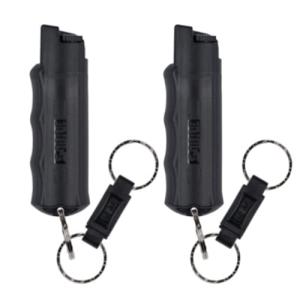
SABRE Pepper Spray – Quick Release Keychain for Everyday Carry
A compact, reliable personal safety option designed for quick access and calm confidence
Product information
$17.58
Product Review Score
4.83 out of 5 stars
130 reviewsProduct links
🚗 Scenario 2: You’re Approaching the Car When It Happens
Micro-Moment 1 — Hands full, attention split
You’re not in the car yet.
You’re walking toward it.
Keys in hand. Bag on your shoulder. Maybe groceries. Maybe a child beside you. Maybe your phone buzzing with a message you plan to check once you’re seated.
This is the moment where awareness is thinnest — not because you’re careless, but because your brain is already transitioning to “done.”
You’ve finished the task. You’re leaving. Your posture softens.
You’re almost there.
Micro-Moment 2 — The interruption
Someone reaches for your door.
Or you see the handle move just as you’re a step or two away.
It’s quick. Ambiguous. Almost dismissible.
Your body stops before your mind does.
Your foot pauses mid-step.
Your grip tightens slightly on the keys.
Your breathing shifts.
And immediately, the mental questions arrive:
Was that my car?
Did they make a mistake?
Am I overthinking this?
You’re close enough that the situation feels personal — but not close enough to feel secure.
Micro-Moment 3 — The urge to close distance
This is the most dangerous instinct in this scenario — not physically, but emotionally.
The instinct to move closer.
To step in and “clear it up.”
To unlock the door quickly and end the awkwardness.
Social pressure is powerful here.
You don’t want to accuse someone.
You don’t want to look dramatic.
You don’t want to be the person who “made a scene.”
So your body leans forward slightly — even as another part of you hesitates.
This is the friction point.
Micro-Moment 4 — The awareness habit
The habit that keeps this moment calm is simple:
Do not close distance until clarity improves.
You stop short.
Not abruptly. Not theatrically.
Just enough to create a buffer.
The car itself becomes a barrier.
You reposition slightly — a step to the side, behind the door frame, or back toward open space.
You haven’t accused anyone.
You haven’t escalated.
You’ve simply paused the moment instead of rushing through it.
Micro-Moment 5 — Letting the moment resolve itself
Space does a lot of work for you here.
If it was an honest mistake, the person usually realises it quickly and moves away.
If it wasn’t, hesitation often breaks the attempt.
You observe without staring.
You note body language:
- Do they step back?
- Do they linger?
- Do they say something — or say nothing?
You don’t need answers.
You’re just letting the situation show its shape.
Micro-Moment 6 — Choosing your exit
Once clarity improves — even slightly — you act.
If the space clears, you unlock and enter the car deliberately.
If it doesn’t, you move.
That might mean:
- Walking back toward the store or a staffed area
- Moving toward people or light
- Calling someone while you reposition
You are not retreating.
You are choosing a better position.
And as soon as you do, your nervous system responds.
Micro-Moment 7 — Emotional aftermath
Once the moment passes, you’ll probably notice something subtle.
Your breathing slows.
Your jaw unclenches.
Your shoulders drop.
Even if nothing “happened,” the relief is real.
Not because you avoided danger — but because you avoided rushing while uncertain.
You stayed in control of the sequence.
✅ What “enough” looks like here
- You stop short instead of closing distance
- You use the car as a physical barrier
- You allow space to clarify the situation
- You choose visibility or staff if needed
- You feel steadier after acting — not embarrassed
You didn’t rush.
You didn’t freeze.
You didn’t force an explanation.
You let space do the work.
The one product that earns its place here: a small, easily accessed flashlight.
Not for intimidation — for orientation. Light clarifies who’s where, restores your sense of control, and reduces ambiguity in low-light parking lots without confrontation.
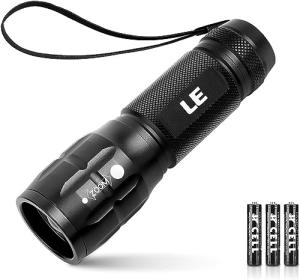
Lighting EVER LED Flashlight – Compact High-Output Light for Everyday Carry & Emergency Use
A small, reliable flashlight that gives you instant visibility and calm control when lighting matters most.
Product information
$12.99 $9.99
Product Review Score
4.92 out of 5 stars
117 reviewsProduct links
🚗 Scenario 3: The Handle Gets Tried Again — or Someone Lingers Near Your Car
Micro-Moment 1 — The moment doesn’t end
You expected the situation to resolve.
A mistake. A misunderstanding. Someone walking away.
But it doesn’t.
You’re either inside the car or nearby — and you notice movement again.
The same person is still close.
The handle is tested a second time.
Someone pauses near the door longer than makes sense.
This is where the emotional texture changes.
Not fear yet.
Recognition.
Micro-Moment 2 — The body reacts before thought
Your body responds faster this time.
Your chest tightens slightly.
Your breathing shortens.
Your attention snaps fully into the present.
The internal dialogue shifts:
“Okay… this isn’t resolving on its own.”
This is important.
Not because it confirms danger — but because your nervous system is telling you the moment has changed.
Uncertainty is no longer brief.
It’s persistent.
Micro-Moment 3 — The temptation to freeze
This is where many people get stuck.
You’ve already taken a small action.
You’ve already paused once.
You’ve already told yourself it’s probably nothing.
And now you hesitate — not because you don’t know what to do, but because you don’t want to escalate.
You worry about:
- Looking dramatic
- Drawing attention
- Being wrong
So the body stays still while the mind loops.
This is where panic grows — not from threat, but from delay.
Micro-Moment 4 — The awareness habit
The habit that matters here is decisive but still calm:
When uncertainty persists, increase visibility.
Not confrontation.
Not explanation.
Visibility.
That might mean:
- Starting the engine and repositioning immediately
- Activating interior or exterior lights
- Opening your door only enough to create noise and attention
- Moving toward people, staff, or a clearly occupied area
You are not asking permission for clarity.
You are creating it.
Micro-Moment 5 — Changing the social dynamics
Attention shifts dynamics quickly.
Lingering behaviour relies on ambiguity — the hope that you’ll stay quiet, unsure, or compliant.
When you introduce visibility:
- People notice
- Behaviour changes
- The moment loses its leverage
This doesn’t require aggression.
It requires presence.
You don’t need to shout.
You just need the situation to stop being private.
Micro-Moment 6 — Trusting escalation without guilt
If the behaviour continues after visibility increases, you escalate calmly.
That might look like:
- Using your voice clearly: “Can I help you?”
- Activating a personal alarm briefly
- Calling someone while remaining visible
- Driving away and reporting the behaviour if appropriate
This is not overreaction.
This is proportional response to a moment that didn’t resolve.
You’re no longer managing discomfort.
You’re managing safety.
Micro-Moment 7 — Emotional aftermath
Once the moment ends, your body releases tension slowly.
Your hands may shake slightly.
Your breath deepens.
Your thoughts arrive in waves.
This is normal.
You didn’t panic.
You acted while the situation was still controllable — and your nervous system is discharging the leftover energy.
That’s not weakness.
That’s regulation.
✅ What “enough” looks like here
- You recognise when uncertainty persists
- You increase visibility instead of freezing
- You use attention to shift dynamics
- You escalate proportionally if behaviour continues
- You feel relief after acting — not regret
You didn’t wait for certainty.
You didn’t minimise your instincts.
You didn’t stay silent to keep things comfortable.
You responded to the moment as it actually unfolded.
The one product that earns its place here: a discreet personal safety alarm.
Not as a weapon. Not as a threat. But as a way to instantly turn a private, ambiguous moment into a public one — and public moments are safer moments.
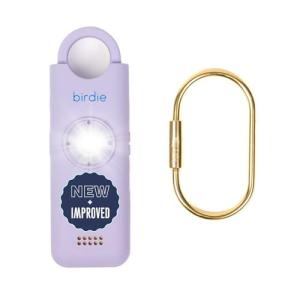
She’s Birdie 3.0 Personal Safety Alarm
A simple, discreet way to create attention and space when something feels off
Product information
$29.95
Product Review Score
4.48 out of 5 stars
33 reviewsProduct links
🧘 Closing: Calm Comes From Early Movement
What makes parking lot moments unsettling isn’t usually danger.
It’s the pause.
The split second where your body reacts, your mind hesitates, and you’re left negotiating with yourself instead of moving.
This article wasn’t about predicting intent or proving someone wrong.
It was about staying oriented while the situation is still small — and choosing early, proportionate action so panic never gets traction.
Across all three scenarios, the pattern is the same:
- Uncertainty is normal
- Hesitation increases stress
- Early movement restores calm
You don’t need intensity.
You don’t need certainty.
You need a next step that reduces friction.
Final reminder: You are allowed to change your position without explanation. You’re not accusing anyone — you’re choosing space, visibility, and control.
That’s preparedness done right.
🔗 Calm, Public-Safety-Aligned Guidance (Optional)
If you want additional parking lot and personal safety guidance from a non-sensational, community-focused source, this resource aligns well with the principles in this article:
It reinforces the same ideas: awareness, positioning, visibility, and early action — without fear-based messaging.
❓ Frequently Asked Questions
What if someone tries my car door by mistake?
That’s common in parking lots. Creating space and pausing costs nothing. If it was a mistake, space resolves it quickly.
Should I confront someone who tries my car door?
No. Confrontation adds risk without adding clarity. Distance, visibility, and movement are safer and more effective.
When should I escalate?
If behaviour repeats, lingers, or doesn’t resolve after you reposition, increase visibility and seek help. Escalation should be proportional and early — not delayed.
Is it okay to leave even if I’m unsure?
Yes. You don’t need proof to choose safety. You’re allowed to act on uncertainty without apology.
Why do simple tools help so much?
Because they reduce hesitation. When you have a clean option — light, sound, secure carry — you act earlier, and earlier action stays calm.